Ford Coolant System Services in Tryon, NC
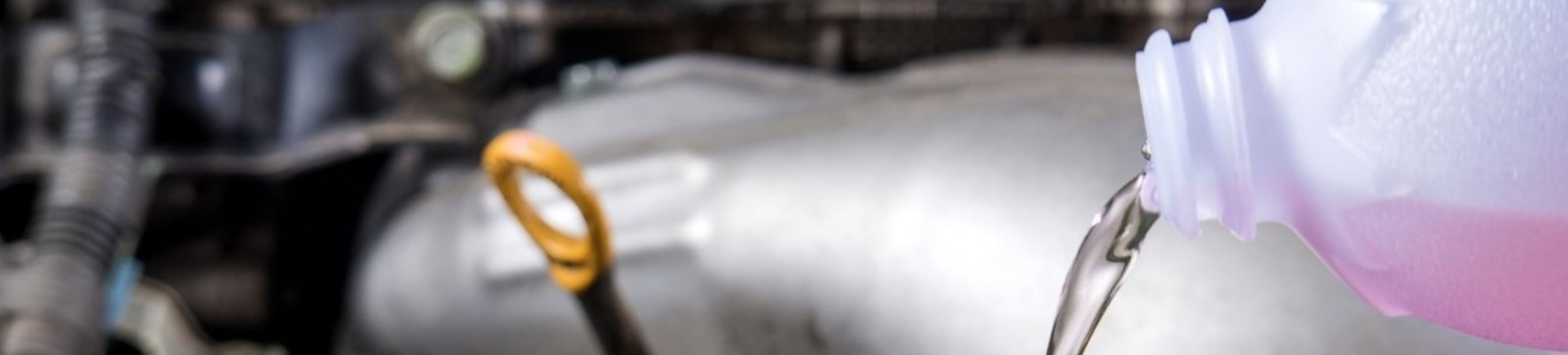
Your Next Trip Depends on Your Cooling System
A cooling system that loses a little coolant between drives is telling a story, and the shop at Stott's Ford in Tryon, NC reads it before any part is ordered. The first step is a pressure test and a careful look along the water pump, hoses, radiator seams and heater connections, so the source of the loss is found and not guessed. Cooling work here covers all makes and models, so a commuter sedan gets the same attention as a loaded family hauler that heads up to Saluda on summer weekends. You get the findings in plain language with the evidence pointed out. Nothing is replaced until you have approved it.
Parts That Make Up Your Cooling System
A long uphill pull at modest speed is one of the hardest jobs a cooling system faces. The engine is working near the upper end of its effort, yet the vehicle moves slowly enough that little air is forced through the radiator, so the fans and the water pump carry more of the load. Every passenger and every bag in the cargo area adds to the heat the coolant has to move.
The water pump sits at the center of that loop, spinning an impeller that pushes coolant through the block, the cylinder head, the heater core and the radiator. Its shaft passes through a seal, and behind that seal most pumps have a small weep hole that lets a trace of coolant escape once the seal begins to wear, so the leak shows outside the engine and stays away from the bearing. A pump can keep circulating normally for some time while that hole leaves a slow, crusted trail down the front of the engine.
- The reservoir carries a cold mark and a hot mark, and a level that moves between them as the engine warms and cools is ordinary behavior.
- Pressure inside a warm system raises the boiling point of the coolant, so a cap or seal that leaks lets it boil sooner.
- Dried coolant tends to leave a pale or tinted crust, and that residue often marks a leak more reliably than a wet spot does.
- A drive belt or a timing chain may turn the pump, depending on the engine, and that layout changes how much work it takes to reach and replace it.
- A rubber hose ages along its inner lining first, so a clean outer surface says little about how close it is to bursting at a clamp.
Around Tryon, the drive up to Saluda is short, but it is steady and it often happens with a full car on a warm afternoon. A cooling system with a marginal pump seal or a tired cap can make that trip without complaint for months, losing a small amount each time, until the level drops far enough for air to reach the heater core or the temperature sensor.
The steady needle on the dash earns more trust than it deserves. On many newer vehicles the temperature gauge is buffered, meaning it holds near the middle across a broad range of real coolant temperatures so normal swings do not alarm the driver. By the time the needle finally climbs, the engine may already be running quite hot, so a falling reservoir level deserves attention even while the gauge looks calm.
Signs It Is Time to Check Your Cooling System
Coolant loss from a worn pump seal is usually gradual and quiet, and the clues collect in places owners rarely look. Checking the reservoir with a cold engine now and then, and glancing at the driveway after a long climb, catches most of them early.
A level that keeps dropping with no puddle often means the coolant is leaving in small amounts and drying on hot metal before it can drip. Heat from the block and the exhaust side can evaporate a slow seep completely, leaving only a stain or a faint syrupy odor after parking.
- A crusted streak running down the engine below the water pump, often easiest to spot with a flashlight from beneath the front of the vehicle.
- Small drops on the lower engine cover or the splash shield that dry before the vehicle is moved again.
- A dry grinding note at the belt end of the engine that climbs with revs, sometimes the bearing complaining after the seal has let coolant through.
- Warmth from the vents that fades on a long climb and returns on level ground, a sign that air is working its way into the system.
Some of these signs belong to other parts as well. A weeping heater hose, a seeping intake gasket or a radiator end tank can leave crust in similar spots, and on some engines coolant can move into the oil without any outside trace. Pressurizing the system cold, and again once it has warmed where needed, separates the pump from its neighbors.
Once a pump seal starts to weep, the leak usually grows. Catching it while the bearing is still quiet tends to limit the job to the pump, its gasket and fresh coolant, with no ruined belt or overheated cylinder head added to the bill.
Choose the Cooling System Service You Need
Most cooling complaints that reach the shop fit one of the visits listed here, and the testing in one can lead into the next.
Weep Hole and Pump Seal Inspection
The technician cleans away old residue where needed, then inspects the pump body, its gasket and the weep hole with a light and a mirror. A pressure tester holds the cooled system at the level its cap is designed for while the area is watched for fresh seepage. Any play or roughness in the pump shaft is checked with the belt removed where the layout allows. You learn whether the pump is weeping, sound or already noisy before any repair is quoted.
Grade Climb Heat Load Evaluation
This visit looks at how the system copes with the kind of sustained pull the hills around Tryon demand. The technician follows live engine temperature data during a road test with the air conditioning running, and checks fan operation, thermostat opening and airflow through the radiator fins. Bugs, leaves and debris packed between the condenser and the radiator are noted, since they cut airflow at low speed. The findings show whether the system has headroom or is working at its limit.
Pump Replacement With Bleed and Recheck
When a pump is confirmed to be leaking, it is replaced along with its gasket or seal, and the belt, tensioner and nearby hoses are inspected while they are within reach. Fresh coolant matching the specification for that engine goes back in. Air is bled out using the procedure for that vehicle, which on some models means drawing a vacuum on the empty system before any coolant goes in. A final pressure test and a warm idle confirm the repair before the vehicle goes home.
How Careful Testing Protects Tryon Drivers
A cooling visit opens with a short conversation about how much coolant you have been adding, whether the loss follows long climbs or short errands, and whether anyone has topped it off recently. With the engine cold, the technician then checks the reservoir level, the color of the coolant and the condition of the cap before attaching any equipment.
Trips up to Saluda with grandparents, a cooler and a dog on board filled one family's summer, and by August their wagon was coming home with a lower reservoir after each run. Pink crust had formed around the reservoir neck, and a relative was certain the reservoir had simply been filled past the line and was spitting out the extra. Under a pressure tester, the reservoir and cap held tight, but a thin, steady weep appeared at the water pump and ran down a crusted trail the relative had never spotted. A new pump and fresh coolant ended the loss, and the reservoir has stayed at its mark since.
- The cap and reservoir are tested first, since a weak cap can mimic a leak and should be ruled out before the pump is blamed.
- The cooled system is pressurized and held while the technician traces every hose, seam and gasket from the radiator back to the heater connections.
- Where outside signs are missing, the coolant can be checked for combustion gases and the engine oil inspected for traces of coolant.
- A written finding, with photos where possible, goes to your advisor, and repairs begin only after you have said yes.
After a repair, the system is refilled, bled of trapped air and run until the thermostat opens and the fans cycle. A second pressure test and a drive that includes a climb confirm the leak is gone and the temperature holds steady.
An appointment made before the engine has been driven that day lets the technician pressure test it cold, and the department accepts all makes and models for that work. A cap swap or a hose repair can often be finished the day it starts, when the schedule and parts allow. A water pump buried behind a timing cover takes longer, and your advisor explains the timeline before work begins.
Planning Your Cooling System Repair With Stott's Ford
Ford engines vary more in their cooling layouts than many owners expect. On many Ford models the pressurized reservoir, which Ford service information calls the degas bottle, is part of the pressure circuit, so its cap and seams are tested along with the radiator. Technicians at Stott's Ford follow Ford procedures for the coolant type, the fill method and the bleed sequence, and Ford diagnostic software lets them watch the coolant temperature sensor and command the fans during testing.
On some Ford engines used in certain model years of the Explorer and the Edge, the water pump sits inside the engine and is driven by the timing chain, so a seal leak there may show up as coolant in the oil and not as a drip. Recognizing that layout early keeps a small symptom from turning into engine damage.
- Ford coolant specifications can change between model years, so the correct Motorcraft coolant is confirmed from your VIN before any is added.
- Genuine Ford water pumps, hoses and degas bottle caps can be ordered by part number for owners who want factory parts.
- Any Ford campaign tied to the radiator, pump or hoses on your model is looked up while the vehicle is in.
Find Stott's Ford in Tryon, NC
Surrounding Communities for Cooling System Repair
Saluda sits well above Tryon, and the climb between the two is a regular trip for families, visitors and anyone driving on toward Hendersonville. Owners from Saluda, Columbus and the surrounding hills bring cooling concerns to Stott's Ford, often after noticing the reservoir dropping through a summer of weekend drives with a full car.
- Zirconia, NC
- Saluda, NC
- Gowensville, SC
- Columbus, NC
- Flat Rock, NC
- Campobello, SC
- Green Creek, NC
- Landrum, SC
Owners heading up the mountain with a full car on a warm day get the most from a pressure test done beforehand. The result also becomes a baseline, so any later change in coolant level has something to be measured against.
Things Drivers Wonder About Cooling System Repair
Coolant loss raises a handful of questions that owners ask us again and again.
Q: Why is my coolant level dropping when there is no puddle under the car?
Q: Is a little crust around the water pump something to worry about?
Q: Does the coolant reservoir level change between a cold and a warm engine?
Q: What is a weep hole on a water pump?
Q: Can a cooling system from a different manufacturer get the same pressure test?
Jot down roughly how often you have been adding coolant, since that pattern helps the technician.
Mentioning any recent climbs with a full load also points the testing in the right direction.
When You Are Ready for Cooling System Repair
Weeping pump seals seldom hold steady for long, and each warm climb pushes a little more coolant past them. Replacing the pump early often keeps the job to that one part, before low coolant has a chance to overheat the engine.
The pressure test result and any photos are reviewed with you before a repair is priced. Each item is listed separately, so you can decide what happens now and what can wait.
Reserve a cooling system check with Stott's Ford online or by phone, and note how much coolant you have added lately. If a family trip up the mountain is coming soon, say so, and the appointment can be timed to suit it.
Service Specials

Wild Card

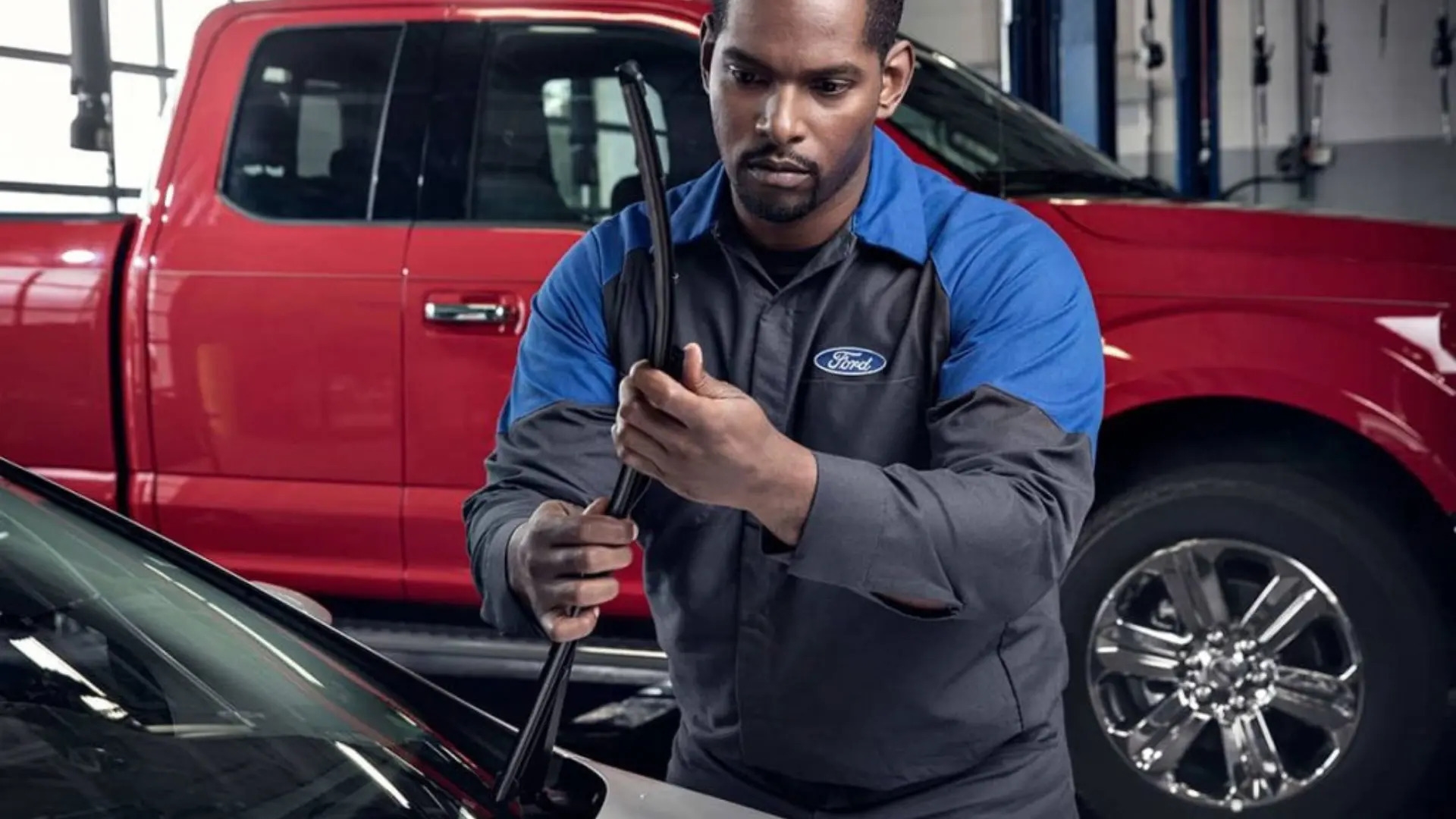
Wiper Blades
Ensure safe driving in any weather with new, high-quality wiper blades. Replace worn or streaking blades today for improved visibility and performance.
Tire Balance & Rotation
Properly balanced & rotated tires can improve tire life, gas mileage, ride comfort and uniform wear. Our trained Technicians will balance, rotate, and infla
Read More
Front or Rear Brake Pads
Replace front or rear pads, inspect discs, calipers, lines, hoses, cylinders, and master cylinder.

Earn and redeem Points on Ford Service with Ford Rewards.*
Ford Rewards members can redeem Points for service and earn 10 Points per $1 spent on eligible Ford Service.**
Join Ford Rewards by downloading the Ford app

Ford Pickup & Delivery
When you need service, your dealer will pick up your vehicle at places like your home or office, service it at the dealership, and deliver it back to you. It's
Read More
Ford Mobile Service
Let your dealer come to you at your home or office to perform routine vehicle maintenance there on the spot. It's complimentary and available at participating d
Read More