Ford Brake Repair Services in Tryon, NC
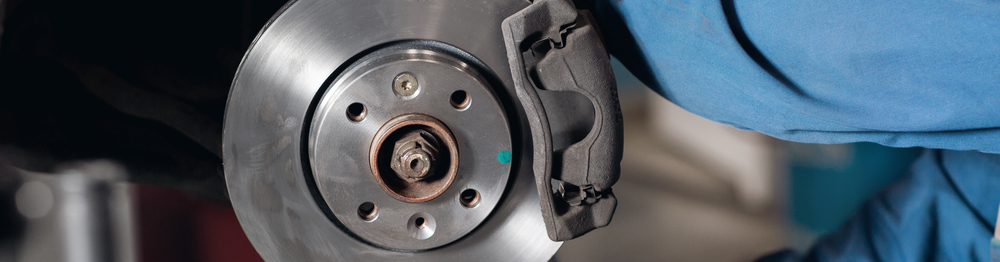
Trusted Brake Repair for Drivers Around Tryon
Coming down off the ridges into Tryon asks more of a vehicle's brakes than a flat commute ever does, especially with a full load of passengers or gear on board. At Stott's Ford in Tryon, NC, brake work starts with measuring what the descents have done to the rotors, pads and fluid. The shop handles brake work on all makes and models, whether compact cars or heavy SUVs. A shake, a soft pedal or a hot smell is tracked to its cause before any part is recommended, so the repair fits the problem. You see the measurements and approve the work before it begins.
A Closer Look Inside Your Brakes
Brakes stop a vehicle by turning its motion into heat, which the rotors soak up and then shed into the passing air. On a level road each stop is short and the parts cool between uses. On a long grade, gravity keeps feeding energy into the vehicle, so heat piles up in the rotors, pads, calipers and fluid faster than the air can carry it away.
Heat is what wears brakes out on mountain roads. Pads lose grip when they get too hot, a condition known as fade, and very hot fluid can boil inside the caliper and leave the pedal soft. Rotors that run hot and then cool unevenly can also develop thickness variation, which the driver feels as a shake or pulse under braking.
- Brake fluid draws in moisture from the air over time, and wetter fluid boils at a lower temperature on a long descent.
- Pads leave a thin layer of friction material on the rotor, and an uneven layer can cause a pulse even on a rotor that is not bent.
- A rotor surface turned blue or dark in patches has run very hot, and the metal in those spots may wear differently from the rest.
- Extra weight from passengers, cargo or a trailer adds directly to the heat the brakes must absorb on every downhill stretch.
- A lower gear lets the engine hold back the vehicle on a grade, taking a share of the work off the brakes.
Roads that drop from the higher ground toward Tryon and the state line include long, steady grades where a driver can be on and off the brakes for minutes at a time. Visitors and new residents used to flat country are often surprised how quickly brakes warm up here, and a vehicle loaded for a weekend away adds even more heat to the job.
Riding the brakes lightly all the way down a hill can seem gentler than pressing firmly now and then. Steady, gentle pressure keeps the pads in contact the whole way, so the rotors never get a chance to cool and temperatures keep rising. Shifting to a lower gear and braking firmly in short bursts usually keeps the brakes cooler and leaves more stopping power in reserve at the bottom.
Where Brake Trouble Starts
A shake through the steering wheel or a pulse in the pedal while slowing on a grade is the complaint drivers here mention most. It often appears first on long descents and then begins to show up on ordinary stops around town.
Heat-related brake trouble can be confused with tire and suspension problems, because all three can make a vehicle vibrate. The clue is timing, since brake-related shake shows up while the pedal is pressed and fades once you let off.
- A steering wheel that shimmies side to side only while braking, especially at higher speeds on a downhill run.
- A sharp, hot smell after a long descent, sometimes with a light haze from one or more wheels.
- A pedal that sinks further than usual near the bottom of a long hill, then firms up after the brakes cool.
- Blue or dark patches visible on the rotor face through the wheel spokes.
A vibration that is there at steady highway speed with your foot off the pedal usually points somewhere else, such as a tire out of balance, a damaged rim or a tired suspension joint. The road test separates those causes before any brake parts are quoted.
Driving on with uneven rotors heats the brakes even more unevenly and can wear the pads and suspension faster. Old fluid on mountain roads raises the risk of a soft pedal at the worst moment, so testing it early matters as much as checking the pads.
Repairs and Maintenance for Your Brakes
Long grades wear a braking system down in three different ways, and a service is matched to each one.
Steering Shimmy and Rotor Thickness Check
A drive with the technician at the wheel confirms the shake appears only while braking, and then each rotor's thickness is measured at multiple spots across its face with a micrometer. Lateral runout is checked with a dial indicator, and the hub face is cleaned of scale that could hold a rotor off true. Rotors within specification may be resurfaced where that is suitable, and those below the minimum are replaced. Wheels are torqued in the correct pattern at the end, since uneven lug tightening can contribute to the problem.
Mountain Descent Pad and Rotor Heat Inspection
Brakes that work hard on long grades are examined for the marks heat leaves behind, including glazed or hardened pads, blue spots on rotors and fine cracks across the friction surface. The technician also looks at caliper slides and boots, since a sticking caliper adds even more heat to one wheel. Pad material suited to frequent hill driving can be discussed if your current pads fade easily. Findings are shown to you, with photos where helpful, before any parts are ordered.
Boiling Point Brake Fluid Test and Flush
A small fluid sample goes through a boiling point check, showing how well it will stand up to heat on a long descent. If the fluid has absorbed too much water, the old fluid is flushed out of every line and replaced with the type specified for your vehicle. Each wheel is bled in the correct order so no air remains in the system. The pedal is checked for a firm, consistent feel before the vehicle leaves.
Our Method for Brake Repair Near Tryon
Each brake visit starts with how and where you drive, including how often you come down long hills and how much you usually carry. A short road test follows so the technician can feel the complaint before the wheels come off.
Two tire shops had already balanced the wheels on a family SUV that made a loaded run down the mountain from Hendersonville every Sunday, and the shimmy was still there. The road test showed the shake appeared only under braking and disappeared on a steady cruise. Measurements found the front rotors with uneven thickness from repeated heat, the condition most drivers call warped, and the tires were in good shape. New front rotors and pads, broken in with a set of firm stops, ended the shake, and the owner left with tips for gearing down on the descent.
- A road test confirms when the vibration, noise or pedal change appears, separating brake trouble from tire and suspension causes.
- Rotor thickness, runout and pad depth are measured and compared against the vehicle's specifications.
- A fluid sample is checked for absorbed water, and calipers, hoses and slides are inspected for heat damage or sticking.
- You see the measurements and an estimate first, and parts are replaced only when you give the go-ahead.
Once the new parts are on, a set of deliberate stops from moderate speed transfers an even film of pad material onto the rotors. The final road test checks for a straight, smooth stop and a firm pedal.
Brake jobs are easiest to finish before the day is out when the car arrives before lunch, since pads and rotors can then be ordered and fitted when the schedule and parts allow. Every make and model is welcome for brake work, small sedans and full-size SUVs included. Anything that needs a special order, such as an uncommon rotor, is pointed out when you check in.
Brake Repair Done Carefully at Stott's Ford in Tryon
Brakes on larger Ford SUVs and trucks are sized for heavy loads and towing, and their specifications for rotor thickness, runout and pad material differ from those on smaller models. The technicians at Stott's Ford who hold Ford factory training measure against Ford service information, so every rotor and pad decision is made with the right numbers.
On an Expedition or a Bronco, features such as hill descent control, where fitted, work alongside the brakes on steep grades, and those systems are checked if a warning appears. The correct parts for your Ford are confirmed by VIN before any order is placed.
- Motorcraft and genuine Ford pads and rotors designed for your model can be ordered when needed.
- Any open recall or service bulletin related to the brakes on your Ford is reviewed during the visit.
- Rotor measurements and the parts used are kept in your Ford service record, useful for spotting how quickly your driving wears them.
Find Stott's Ford in Tryon, NC
Brake Repair Visits From Around Tryon
Howard Gap Road is one of the old routes linking the high country with the valley around Tryon, and its grades are a fair test for any set of brakes. Owners who come down roads like it from Hendersonville, Saluda and the surrounding ridges, often with a car full of family or supplies, bring their brake concerns to Stott's Ford.
- Hendersonville, NC
- Flat Rock, NC
- Zirconia, NC
- Saluda, NC
- Columbus, NC
- Lynn, NC
- Landrum, SC
- Green Creek, NC
Living at the foot of the mountains means every trip home ends with a long descent. Keeping the brakes measured and the fluid fresh makes that part of the drive feel routine again.
Straight Answers About Your Brakes
Here are the brake questions drivers who live with steep grades most often ask our technicians.
Q: Why does my steering wheel shake only when I brake going downhill?
Q: Should I shift to a lower gear on long descents with an automatic transmission?
Q: Can a tire problem feel like a brake problem?
Q: Why does the brake fluid need testing if the level looks fine?
Q: Can a vehicle from any automaker get its brakes serviced here?
Note when the shake or soft pedal appears, such as on a particular hill or with a full load, and share it at check-in.
If someone recently balanced or replaced your tires to fix a vibration, mention that when you arrive.
Your Brake Appointment
Left alone, a shimmy that starts on long hills spreads to everyday stops as the rotors keep heating unevenly. Measuring them while the pads are still healthy can mean replacing fewer parts.
Rotor and pad measurements are shown to you before anything is replaced. Each service is priced on its own, so you choose what gets done first.
When booking with Stott's Ford, describe the grades you drive and how much you usually carry. That background points the technician toward the right tests from the start.
Service Specials
On These Name Brands: Select Goodyear®, Cooper®, Hankook, Bridgestone, Firestone, Toyo®, Pirelli, Yokohama®, Michelin, BFGoodrich®, and Nitto®


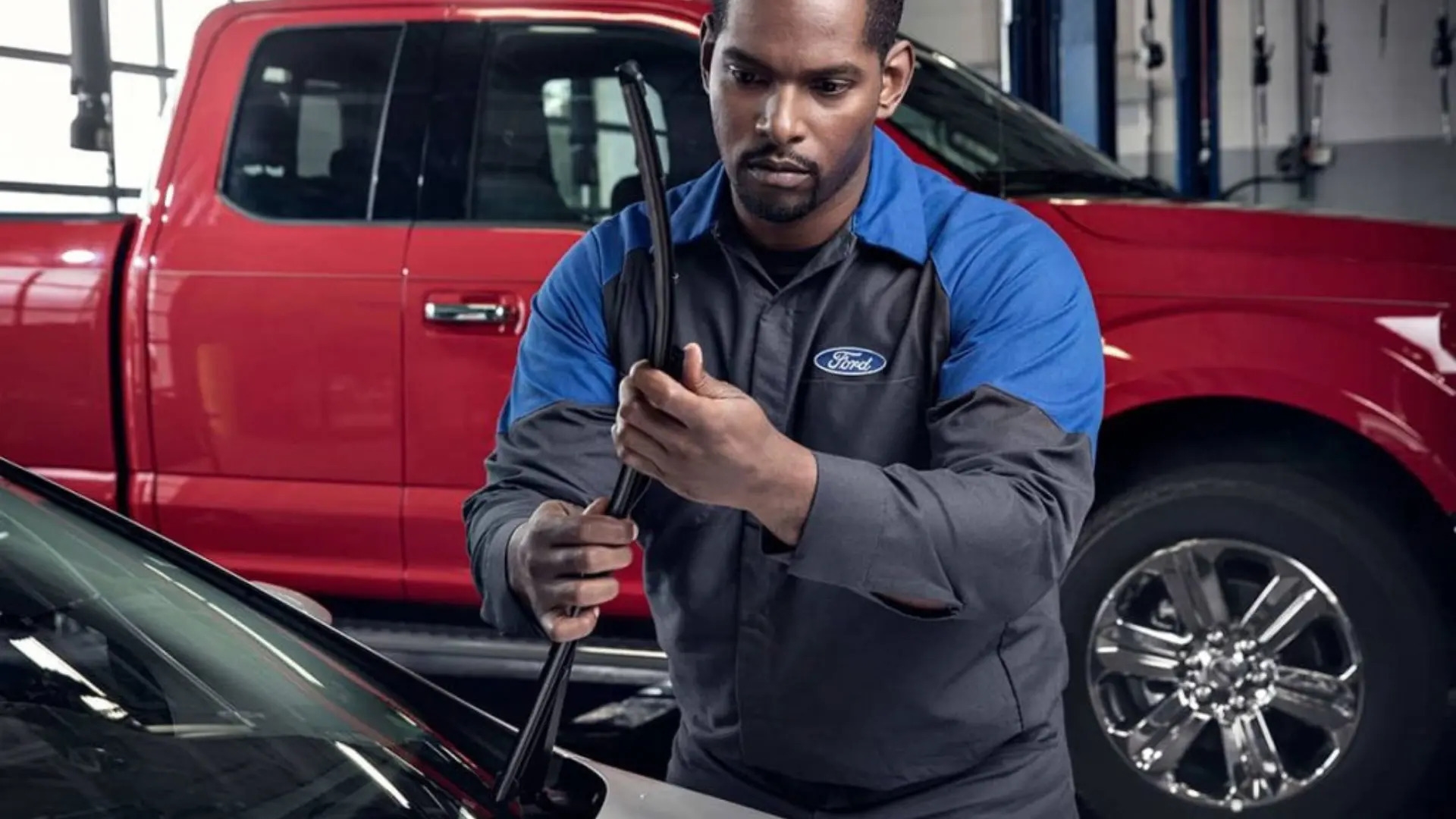
Ensure safe driving in any weather with new, high-quality wiper blades. Replace worn or streaking blades today for improved visibility and performance.
Properly balanced & rotated tires can improve tire life, gas mileage, ride comfort and uniform wear. Our trained Technicians will balance, rotate, and infla
Read More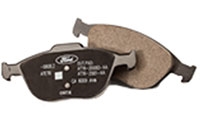
Replace front or rear pads, inspect discs, calipers, lines, hoses, cylinders, and master cylinder.

Ford Rewards members can redeem Points for service and earn 10 Points per $1 spent on eligible Ford Service.**
Join Ford Rewards by downloading the Ford app
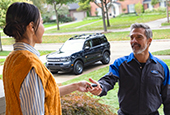
When you need service, your dealer will pick up your vehicle at places like your home or office, service it at the dealership, and deliver it back to you. It's
Read More
Let your dealer come to you at your home or office to perform routine vehicle maintenance there on the spot. It's complimentary and available at participating d
Read More
Ford Rewards members who are new cardholders earn a 15,000 Point bonus (up to a $75 redemption value) after making just one purchase with their new Ford Rewards
Read More